
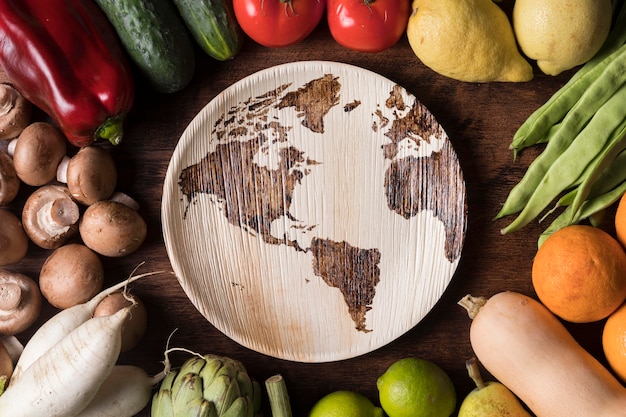
In today’s interconnected world, the diversity of global health food varieties offers a treasure trove of flavors, textures, and nutritional benefits. Each culture has cultivated unique dishes that not only tantalize the taste buds but also promote health and wellness. From ancient grains to vibrant vegetables, the international healthy cuisine landscape is vast and exciting. Let’s embark on a culinary journey to discover some of the most intriguing and nutritious options available around the globe.
The Mediterranean Marvels
Starting with the Mediterranean region, this cuisine is lauded for its emphasis on fresh ingredients and heart-healthy fats. Olive oil, a staple in this diet, is rich in monounsaturated fats and antioxidants. Typical meals often include an array of vegetables, whole grains, legumes, and lean proteins, such as fish. The Mediterranean diet has been linked to numerous health benefits, including reduced risk of heart disease and improved brain function. Dishes like tabbouleh, a refreshing salad made with bulgur wheat, parsley, and tomatoes, exemplify the diverse nutrition options available in this culinary tradition.
Asian Inspirations
Moving eastward, Asian cuisines offer an impressive variety of health-promoting foods. For example, Japanese cuisine emphasizes seasonal ingredients and balanced meals. Staples like miso, seaweed, and fermented foods are not only delicious but also rich in probiotics, which support gut health. A classic dish like sushi, when prepared with brown rice and fresh vegetables, exemplifies how traditional practices can be adapted for modern nutritional needs. In contrast, Indian cuisine showcases a vibrant palette of spices like turmeric and ginger, known for their anti-inflammatory properties. Dishes such as dal, made from lentils, provide a hearty source of plant-based protein.
The Richness of Latin America
Latin American cuisine is another bastion of cultural health foods. Countries like Mexico and Brazil celebrate the use of corn, beans, and a variety of fruits and vegetables. The concept of “comida saludable” often involves dishes that are not only flavorful but also packed with nutrients. For instance, a traditional Brazilian dish like feijoada, a black bean stew, can be made healthier by using lean cuts of meat and serving it with plenty of greens. Similarly, Mexican cuisine includes dishes like pozole, a hominy soup that is both nourishing and satisfying.
African Nutritional Diversity
Venturing into Africa, the continent’s culinary practices reflect its agricultural diversity. Staple foods like millet, sorghum, and cassava provide essential carbohydrates, while a variety of leafy greens and root vegetables add vital vitamins and minerals. West African jollof rice, made with tomatoes and spices, exemplifies how simple ingredients can come together for a delicious and nutritious meal. Furthermore, the emphasis on community dining and sharing meals fosters a culture of wellness and togetherness.
The Nordic Approach
The Nordic countries are increasingly gaining attention for their unique approach to health food. The New Nordic Diet emphasizes local, seasonal ingredients that are both sustainable and nutritious. Foods such as fatty fish, berries, and whole grains are staples, celebrated for their health benefits. A dish like rye bread topped with smoked salmon and pickled vegetables highlights how international healthy cuisine can be both delicious and satisfying. The focus on foraging and using natural resources aligns perfectly with contemporary health trends, making it a model for sustainable eating.
Innovative Fusion Foods
As globalization continues to influence culinary practices, fusion foods are becoming a popular way to experience global health food varieties. Combining ingredients and techniques from different cultures allows for innovative dishes that are both healthy and flavorful. Think of a quinoa sushi roll or a Mediterranean-inspired grain bowl topped with kimchi. These inventive meals not only celebrate cultural diversity but also introduce new flavors and health benefits to a wider audience.
Embracing Cultural Diversity in Nutrition
Understanding diverse nutrition options requires an open mind and a willingness to explore. Each culture brings its own unique flavors, cooking methods, and health benefits to the table. By incorporating a variety of global health food options into your diet, you can enhance your nutrition while also expanding your culinary horizons.
Conclusion
Exploring the world of cultural health foods is not only a delightful culinary adventure but also a path toward better health. By embracing international healthy cuisine, you can discover how various cultures prioritize nutrition and well-being through their food. From the heart-healthy Mediterranean dishes to the vibrant flavors of Latin America, each meal offers a unique opportunity to nourish your body and delight your senses. So, why not take the plunge and diversify your plate? The world of healthy eating is rich, diverse, and waiting to be explored!



More Stories
Nourish Your Body, Elevate Your Mind: A Holistic Guide to Wellness Nutrition
The Green Glow: Unlocking the Power of Nature’s Superfoods
Fuel Your Body Right: Creative Nutritious Meals to Transform Your Health