
In our quest for optimal health, understanding the role of natural vitamin sources is paramount. Vitamins are indispensable for various bodily functions, from immune support to energy metabolism. The best way to acquire these essential nutrients is through a balanced diet that includes a variety of foods. Here’s a detailed look at the essential vitamins from nature and the food sources of vital nutrients that can help you thrive.
Vitamin A: The Vision Protector
Vitamin A is renowned for its role in maintaining healthy vision, skin, and immune function. It is essential for the production of pigments in the retina, which aids in night vision. Key vitamins in foods that are rich in Vitamin A include carrots, sweet potatoes, and dark leafy greens like spinach and kale. These foods contain beta-carotene, a precursor to Vitamin A that the body can convert as needed.
Moreover, animal sources such as liver, fish, and dairy products provide retinol, a form of Vitamin A that is directly usable by the body. Including a variety of these foods in your diet can ensure you meet your daily requirements.
Vitamin C: The Immunity Booster
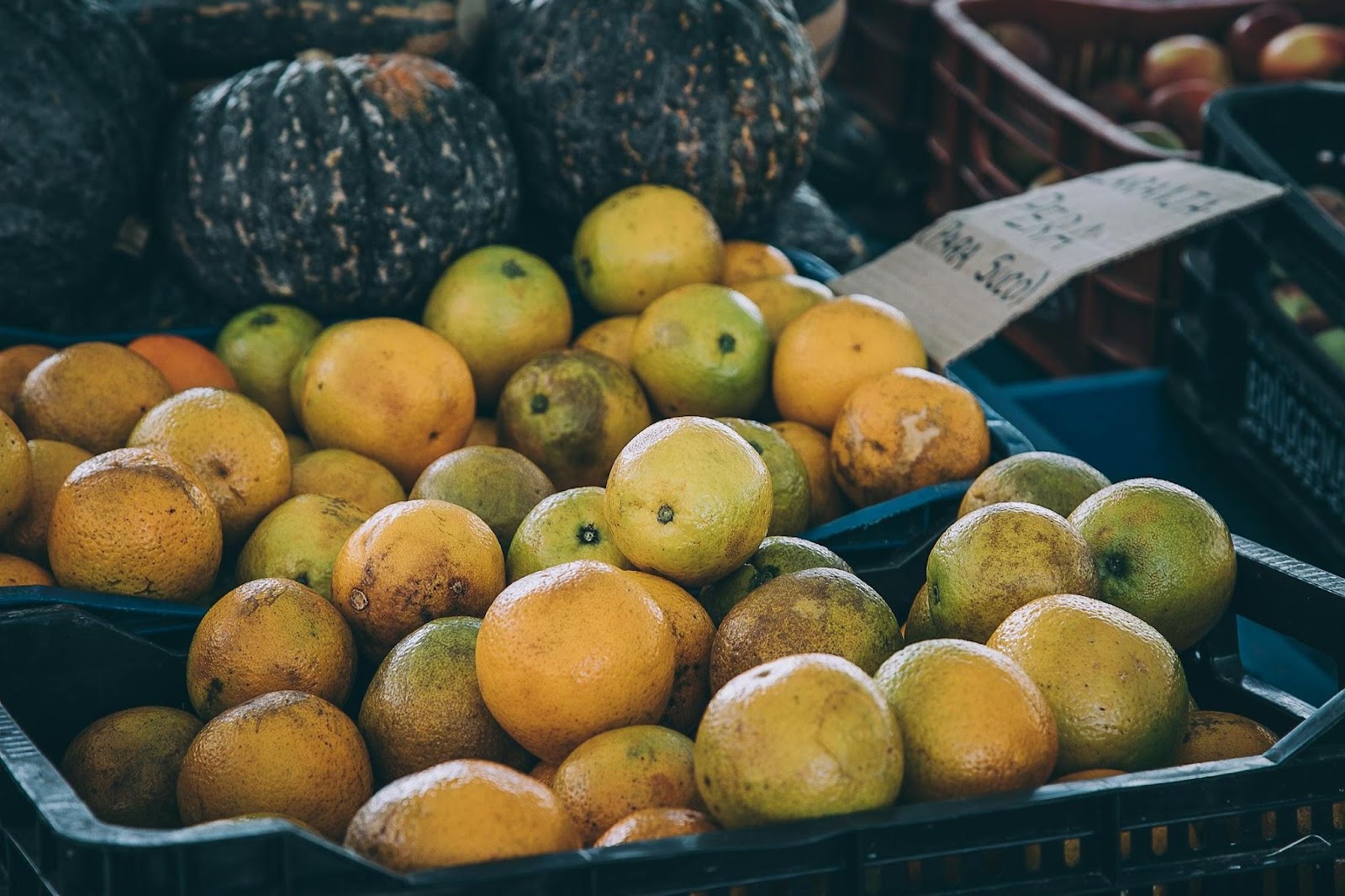
Vitamin C is a powerhouse when it comes to supporting the immune system and promoting collagen production for healthy skin and joints. It is also a potent antioxidant, combating oxidative stress. For natural vitamin sources, look no further than citrus fruits like oranges and grapefruits, strawberries, bell peppers, and broccoli.
A single serving of strawberries can provide over 100% of your daily Vitamin C needs. Incorporating these foods into your meals not only enhances your immune response but also adds vibrant flavors and colors to your plate.
Vitamin D: The Sunshine Vitamin
Vitamin D is unique because our bodies can synthesize it when exposed to sunlight. However, many people still fall short of adequate levels, especially during the winter months. For those seeking food sources of vital nutrients, fatty fish such as salmon, mackerel, and sardines are excellent natural sources of Vitamin D. Fortified foods like milk, orange juice, and cereals also provide a boost.
Egg yolks and mushrooms exposed to ultraviolet light are additional options to consider. Ensuring sufficient Vitamin D intake is crucial for bone health and immune function, making it essential for overall well-being.
Vitamin E: The Antioxidant Shield
As a fat-soluble vitamin, Vitamin E plays a critical role in protecting cell membranes from oxidative damage. It is essential for immune function and skin health. For essential vitamins from nature, nuts and seeds are fantastic sources of Vitamin E. Almonds, sunflower seeds, and hazelnuts are packed with this vital nutrient.
Additionally, vegetable oils such as sunflower oil and olive oil contribute to Vitamin E intake. Including these foods in your diet not only supports immune health but also adds healthy fats to your meals.
B Vitamins: The Energy Boosters
The B vitamins encompass a group of essential nutrients that play diverse roles in metabolism, energy production, and brain health. Each B vitamin has its own unique food sources:
- B1 (Thiamine): Found in whole grains, nuts, and seeds.
- B2 (Riboflavin): Available in dairy products, eggs, and green leafy vegetables.
- B3 (Niacin): Present in poultry, fish, and legumes.
- B5 (Pantothenic Acid): Found in avocados, mushrooms, and whole grains.
- B6 (Pyridoxine): Available in potatoes, bananas, and chickpeas.
- B7 (Biotin): Found in eggs, nuts, and seeds.
- B9 (Folate): Abundant in dark leafy greens, legumes, and fortified cereals.
- B12 (Cobalamin): Found primarily in animal products such as meat, fish, and dairy.
Incorporating a variety of these foods can help ensure you’re receiving adequate amounts of these vital nutrients for energy and overall health.
Vitamin K: The Blood Clotting Helper
Vitamin K is crucial for blood clotting and bone health. It helps in the synthesis of proteins required for these processes. Natural vitamin sources of Vitamin K include green leafy vegetables like kale, spinach, and collard greens. Other sources include broccoli, Brussels sprouts, and fermented foods like natto.
Incorporating these foods into your meals can significantly enhance your Vitamin K intake, supporting healthy blood clotting and bone metabolism.
Conclusion
Acquiring essential vitamins through natural vitamin sources is not only beneficial but also enjoyable. From the bright hues of fruits and vegetables to the rich flavors of whole grains and proteins, nature provides a plethora of options to nourish your body. Embracing a diverse diet that includes these key vitamins in foods will ensure you meet your nutritional needs and promote overall health. Remember, the journey to optimal health begins on your plate—make every bite count!



More Stories
Best Pelvic Floor Chairs for Chiropractic and Wellness Clinics
Enhancing Life: The Power of Nutrient Support for Vitality and Wellness
Nourish to Flourish: The Ultimate Guide to Nutrient Support for Optimal Health