
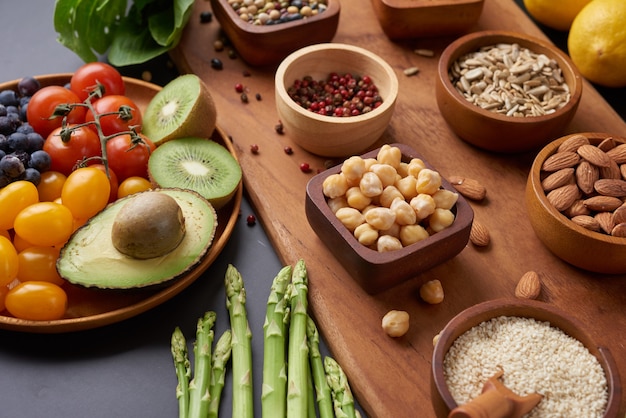
In recent years, there has been a remarkable surge in interest surrounding plant-based health food. From trendy restaurants to grocery store aisles brimming with alternatives, the shift toward plant-centric eating has never been more vibrant. But what’s driving this movement? It’s simple: the power of plant-based foods is undeniable, offering an array of benefits that go beyond mere nutrition. Let’s explore how embracing this lifestyle can transform your health and well-being.
The Nutritional Superiority of Plant-Based Foods
At the heart of the plant-based revolution is an impressive range of nutrients that these foods provide. Fruits, vegetables, legumes, grains, nuts, and seeds are packed with vitamins, minerals, and antioxidants, which play a crucial role in maintaining health. Research suggests that diets rich in these foods can significantly reduce the risk of chronic diseases such as heart disease, diabetes, and certain cancers.
One of the most compelling plant-based health benefits is their ability to improve heart health. Foods high in fiber, such as beans and whole grains, can help lower cholesterol levels, while antioxidants from fruits and vegetables combat inflammation. This dual action not only promotes cardiovascular health but also enhances overall vitality.
Unleashing Nutrition Potential
Transitioning to a plant-based diet doesn’t mean sacrificing flavor or satisfaction. On the contrary, it opens a world of culinary possibilities. By incorporating a diverse array of plant foods, you can unleash the full nutrition potential of your meals. Think colorful salads brimming with leafy greens, roasted vegetables drizzled with tahini, and hearty grain bowls topped with an assortment of legumes.
Consider the versatility of legumes, for instance. Chickpeas can be transformed into hummus, lentils can star in stews, and black beans can enhance tacos. The key is to experiment and find creative ways to include various plants in your diet. Not only will this approach keep your meals exciting, but it also ensures you receive a well-rounded nutrient profile.
Vegan Food Power
The term “vegan” often evokes images of bland salads and limited options, but the reality is far more dynamic. Vegan food power lies in its ability to deliver robust flavors and satisfying textures. From creamy cashew-based sauces to rich chocolate desserts made with avocado, plant-based cooking allows for innovation and indulgence.
Many traditional dishes can be adapted to fit a plant-based lifestyle. For example, replace ground beef with lentils in your favorite chili recipe or use almond milk instead of dairy in your morning coffee. The possibilities are endless, and with a little creativity, anyone can enjoy a delectable array of meals.
Environmental Impact and Ethical Considerations
Beyond personal health, the switch to a plant-based diet has profound implications for the environment. Animal agriculture is a leading contributor to greenhouse gas emissions, deforestation, and water pollution. By choosing plant-based foods, you are making a significant positive impact on the planet.
Moreover, adopting a plant-centric lifestyle often aligns with ethical considerations regarding animal welfare. Many individuals are motivated by the desire to reduce animal suffering, and a plant-based diet can be a powerful step in that direction.
Tips for Transitioning to a Plant-Based Diet
If you’re considering making the switch to a plant-based lifestyle, here are some practical tips to ease the transition:
- Start Slow: Begin by incorporating more plant-based meals into your diet each week. Try “Meatless Mondays” or set a goal to have one plant-based meal daily.
- Explore New Recipes: Seek out cookbooks or online resources that focus on plant-based cuisine. Discover new flavors and techniques that excite your palate.
- Join a Community: Connecting with others who share your interest in plant-based eating can provide motivation and support. Whether it’s a local group or an online forum, sharing recipes and experiences can enhance your journey.
- Focus on Whole Foods: Prioritize whole, minimally processed foods to maximize nutritional benefits. Whole grains, fresh fruits and vegetables, and unprocessed legumes should be staples in your pantry.
- Don’t Stress: Remember that transitioning is a journey, not a race. Allow yourself the flexibility to enjoy a variety of foods, and don’t be hard on yourself if you indulge occasionally.
Conclusion
Embracing a plant-based lifestyle can unlock a wealth of health benefits, from enhanced nutrition to improved environmental sustainability. By recognizing the power of plant-based foods, individuals can make informed choices that promote both personal and planetary well-being. So whether you’re a seasoned vegan or just curious about incorporating more plants into your diet, there’s never been a better time to explore the exciting world of plant-based health food. Unleash your culinary creativity and nourish your body with the vibrant flavors of nature!



More Stories
Nourish Your Body, Elevate Your Mind: A Holistic Guide to Wellness Nutrition
The Green Glow: Unlocking the Power of Nature’s Superfoods
Fuel Your Body Right: Creative Nutritious Meals to Transform Your Health